
Key Points
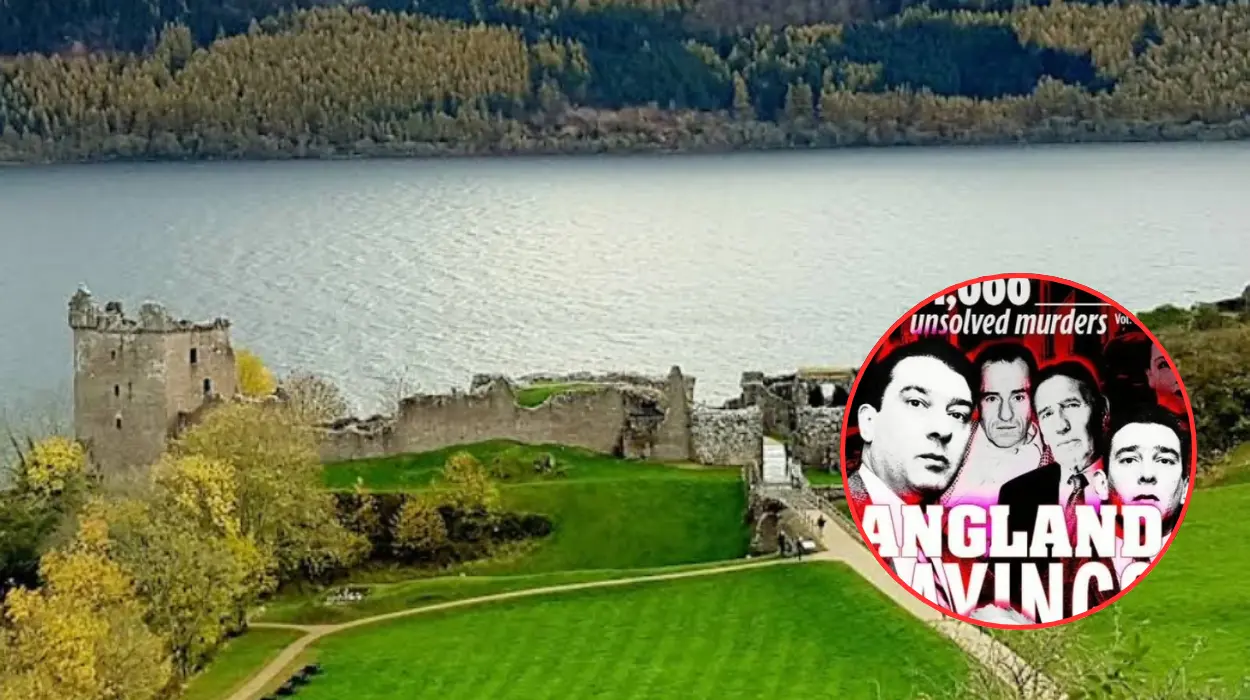
- A comprehensive new interactive investigative tool published by the Express maps approximately 1,000 unsolved murders and historic cold cases across every corner of the United Kingdom.
- As reported by journalists Toby Codd and Richard Ault of the Express, the database was compiled through extensive Freedom of Information (FOI) requests submitted to every police force nationwide, combined with rigorous archival research spanning major enquiries from before World War Two through the past decade.
- The mapped cold cases include infamous organized crime executions, such as the 1966 Catford nightclub shootout murder of Dickie Hart—an associate of Ronnie and Reggie Kray—which left no successful murder convictions.
- Additional highlighted regional cases encompass the 1991 fatal shooting of Manchester underworld figure Anthony “White Tony” Johnson and the tragic 1993 mistaken-identity murder of 14-year-old schoolboy Benji Stanley in Moss Side.
- The nationwide archive also details prominent unresolved homicides across Liverpool, Newcastle, Wales, and Clydeside, ranging from gangland executions to apparently motiveless violent assaults and robberies.
London (Britain Today News) November 14, 2026 – A sprawling new investigative project has laid bare the scale of undetected violent crime in Britain, mapping approximately 1,000 unsolved murders spanning decades of criminal history. Published by the Express, the interactive database draws upon comprehensive Freedom of Information submissions directed to every police force across the United Kingdom, alongside exhaustive regional newspaper archive research. As reported by journalists Toby Codd and Richard Ault, the project highlights how historic gangland feuds, contract killings, and motiveless assaults continue to cast a long shadow over communities nationwide.
What Famous Organized Crime Cold Cases Are Featured on the National Map?
As reported by journalists Toby Codd and Richard Ault of the Express, the interactive map exposes numerous high-profile cold cases deeply rooted in the violent turf wars between Ronnie and Reggie Kray’s notorious “Firm” and the rival south London Richardson “Torture Gang.”
Among the historical flashpoints detailed in the investigation is the 1966 Catford nightclub shootout, an incident that sowed the seeds of the Kray twins’ eventual downfall. The violent confrontation left one man dead and several others wounded. However, no individual has ever been successfully convicted of the murder of Dickie Hart, an associate of the Krays. Notorious underworld enforcer “Mad” Frankie Fraser stood trial for the murder and was subsequently acquitted, while rival crime boss Eddie Richardson was among those arrested during the ensuing police investigation.
Which Regional Murders and Gangland Executions Are Highlighted Across Britain?
Beyond the capital, the Express interactive map catalogues notorious unsolved homicides across major urban centres and rural communities throughout England, Scotland, and Wales.
As reported by Toby Codd and Richard Ault, regional cases documented in the database include:
- Manchester: The 1991 fatal shooting of underworld figure Anthony “White Tony” Johnson, alongside the tragic 1993 murder of 14-year-old schoolboy Benji Stanley, who was shot dead inside a Moss Side takeaway in a devastating case of mistaken identity.
- Liverpool: A trivial dispute over a pedal bicycle that escalated into the masked double murder of Paul Rogers and Hussein Obad in Toxteth.
- Newcastle: The contract-style assassination of feared Byker underworld figure Viv Graham, who was gunned down in front of New Year’s revellers.
- Wales and Clydeside: Across the Welsh border, the body of Newport resident Courtney Davies was discovered stabbed and set alight in the Forest of Dean. Meanwhile, on Clydeside, the battered remains of Glasgow enforcer Billy Bates were famously discovered encased inside an oil drum.
How Was the Comprehensive Unsolved Murder Database Compiled?
As detailed by journalists Toby Codd and Richard Ault in the Express, the creation of the interactive map required extensive investigative legwork and institutional cooperation.
The project relied heavily on Freedom of Information (FOI) requests submitted systematically to every territorial police force across the country. Researchers paired these official police data disclosures with exhaustive cross-referencing from regional newspaper archives. The resulting repository encompasses major police enquiries dating back to the pre-World War Two era and extends up to chilling homicides recorded within the past decade.
While a substantial portion of the mapped cold cases involves feuding gangsters, drug networks, and gangland enforcers, Codd and Ault noted that the database is not exclusively tied to organized crime. The interactive tool also captures apparently motiveless murders, vicious assaults, and violent robberies that have baffled investigators across generations, allowing members of the public to examine unresolved crimes in their local areas.
Background of the Particular Development
The publication of comprehensive cold case databases reflects a broader cultural and journalistic shift toward digital investigative transparency regarding unsolved homicides in the United Kingdom. With British public fascination with true crime remaining exceptionally high, regional police forces face ongoing scrutiny regarding the status of thousands of undetected murders. Historically, advancements in forensic science—such as familial DNA profiling, touch DNA analysis, and digital geofencing—have breathed new life into decades-old investigations. However, structural challenges, including lost evidence, deceased witnesses, and incomplete archival paper trails from mid-20th-century police investigations, continue to hinder convictions in landmark historical cases like the Kray-Richardson gang feuds.
Prediction
How This Interactive Database Can Affect Cold Case Reviews, Public Tips, and Police Accountability
The release of the national unsolved murder mapping tool by the Express is anticipated to influence several key areas within British law enforcement and public engagement:
- Inflow of Public Tips and Witness Statements: By making regional cold cases easily searchable via an interactive interface, police forces and investigative desks may experience a renewed surge in public tips, forgotten witness recollections, and historical leads submitted by local residents.
- Pressure for Modern Forensic Reviews: The public spotlight cast on decades-old regional homicides will likely increase pressure on chief constables and forensic pathology units to allocate dedicated resources for re-testing preserved biological evidence using cutting-edge DNA technology.
- Community Awareness and Historical Memory: Local communities across Manchester, Liverpool, Newcastle, and London will confront the un-prosecuted histories of neighborhood violence, fostering deeper public discourse regarding historical policing, gang dynamics, and the pursuit of justice for forgotten victims.