Key Points
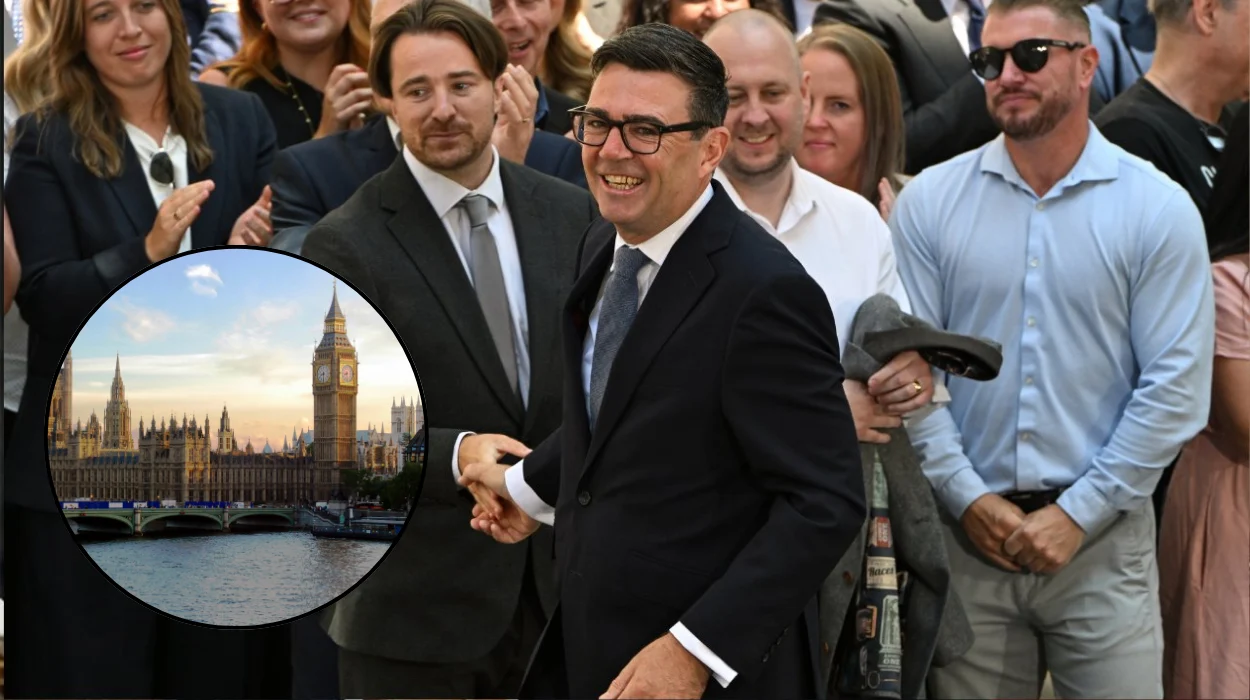
- Andy Burnham unveiled his first Cabinet after becoming Prime Minister, reshaping the top of government and removing several senior figures from Sir Keir Starmer’s administration.
- John Healey appointed Chancellor of the Exchequer, replacing Rachel Reeves.
- Ed Miliband becomes Foreign, Commonwealth and Development Affairs Secretary; Miatta Fahnbulleh appointed Secretary of State for Energy and Net Zero.
- Louise Haigh returns as Chancellor of the Duchy of Lancaster, Minister for the Cabinet Office and First Secretary of State (Deputy Prime Minister); Darren Jones removed.
- Angela Rayner returns as Secretary of State for Housing, Communities and Local Government; Steve Reed removed from that role.
- Rachel Reeves, David Lammy and Peter Kyle are among the high-profile departures from senior posts under Sir Keir Starmer.
- Several ministers retain positions: Shabana Mahmood (Home Secretary), Pat McFadden (Work and Pensions), Heidi Alexander (Transport), Lisa Nandy (Culture), Douglas Alexander (Scotland), Stephen Kinnock (Wales remains in), Matthew Pennycook attends Cabinet as Housing Minister.
- New roles and structural changes: Department for Science, Innovation and Technology abolished; a new Artificial Intelligence Minister, Kanishka Narayan, will attend Cabinet.
- Burnham pledged a “new political model and a new economic model,” with commitments to ending rough sleeping, providing breathing space for households, and reindustrialising Britain.
- Cabinet reshuffle emphasises Burnham’s allies and signals a clear break from Starmer-era leadership.
England (Britain Today News) July 21, 2026 — Andy Burnham unveiled his first Cabinet after taking office as Prime Minister, announcing a wide-ranging reshuffle that swept away key figures from Sir Keir Starmer’s government while restoring some previously fallen ministers to senior roles.
- Key Points
- What are the most significant changes in Andy Burnham’s Cabinet?
- Who remained in post and who returned to Cabinet under Burnham?
- What new posts or structural changes did Burnham introduce?
- What did Andy Burnham say when announcing his Cabinet?
- How did those removed react to the reshuffle?
- Which frontline cabinet roles changed hands under Burnham and who fills them?
- What were the political calculations behind Burnham’s choices?
- What does the abolition of the Science, Innovation and Technology department mean?
- What are the immediate domestic and international implications?
- What do ministers themselves say about their appointments?
- What are the next steps for Burnham’s government?
What are the most significant changes in Andy Burnham’s Cabinet?
Mr Burnham made a number of high-profile moves within hours of entering 10 Downing Street. John Healey was named Chancellor of the Exchequer, replacing Rachel Reeves. Ed Miliband was appointed Secretary of State for Foreign, Commonwealth and Development Affairs, while Miatta Fahnbulleh takes the role of Secretary of State for Energy and Net Zero. Louise Haigh returns to Cabinet with the combined posts of Chancellor of the Duchy of Lancaster, Minister for the Cabinet Office and First Secretary of State, a role that carries the responsibilities often associated with Deputy Prime Minister.
Which senior figures were removed or sacked from the previous government?
Rachel Reeves, Sir Keir’s deputy David Lammy, and Business Secretary Peter Kyle were among those ousted in the shake-up. Mr Burnham cleared the way for allies in crucial departments by replacing several Starmer loyalists, signaling a decisive break from the previous administration’s inner circle.
Who remained in post and who returned to Cabinet under Burnham?
Shabana Mahmood remains Home Secretary, and Pat McFadden continues as Secretary of State for Work and Pensions. Heidi Alexander retains the Transport brief, Lisa Nandy stays on as Culture Secretary, Douglas Alexander remains Secretary of State for Scotland, and Stephen Kinnock continues as Secretary of State for Wales. Angela Rayner, who had been forced to resign earlier over a tax scandal, was restored to Cabinet as Secretary of State for Housing, Communities and Local Government. Louise Haigh, who previously resigned as Transport Secretary after a past conviction emerged, was also brought back into a senior Cabinet role.
What new posts or structural changes did Burnham introduce?
Mr Burnham has scrapped the Department for Science, Innovation and Technology, abolishing the role previously held by Liz Kendall. He also created a ministerial post for Artificial Intelligence, appointing Kanishka Narayan, who will attend Cabinet. These structural changes reflect Mr Burnham’s priorities on industrial policy and emerging technologies.
What did Andy Burnham say when announcing his Cabinet?
Speaking outside the door to No 10, Mr Burnham vowed to deliver “a new political model and a new economic model” for Britain, according to his No 10 statement. He pledged early “breathing space” for households struggling with the cost of living, a commitment to end rough sleeping and a programme to reindustrialise Britain.
How did those removed react to the reshuffle?
Reactions ranged from restrained acceptance to sharp comment. Steve Reed, who lost the housing ministry, told Mr Burnham: “I hope those who did not show loyalty to Keir will now show it to you.” Other outgoing ministers offered formal thanks for their service and congratulated their successors.
Which frontline cabinet roles changed hands under Burnham and who fills them?
- Chancellor of the Exchequer: IN — John Healey; OUT — Rachel Reeves.
- Secretary of State for Foreign, Commonwealth and Development Affairs: IN — Ed Miliband; OUT — Yvette Cooper.
- Secretary of State for Justice: IN — Alex Norris; OUT — David Lammy.
- Secretary of State for Health and Social Care: IN — Yvette Cooper; OUT — James Murray.
- Secretary of State for Defence: IN — Wes Streeting; OUT — Dan Jarvis.
- Chancellor of the Duchy of Lancaster and First Secretary of State: IN — Louise Haigh; OUT — Darren Jones.
- Secretary of State for Education: IN — Lucy Powell; OUT — Bridget Phillipson (remains in Cabinet as Minister for Women and Equalities).
- Secretary of State for Business and Trade: IN — Jonathan Reynolds; OUT — Peter Kyle.
- Secretary of State for Energy and Net Zero: IN — Miatta Fahnbulleh; OUT — Ed Miliband.
- Secretary of State for Environment, Food and Rural Affairs: IN — Dame Angela Eagle; OUT — Emma Reynolds.
- Secretary of State for Transport: Heidi Alexander remains in post.
- Secretary of State for Culture, Media and Sport: Lisa Nandy remains in post.
- Secretary of State for Wales: IN — Stephen Kinnock; OUT — Jo Stevens.
- Secretary of State for Northern Ireland: IN — Sir Chris Bryant; OUT — Hilary Benn.
- Chief Whip: IN — Anneliese Midgley; OUT — Jonathan Reynolds.
- Intergovernmental and European Relations Minister: IN — Hamish Falconer; OUT — Nick Thomas-Symonds.
- Attorney General: IN — Ellie Reeves; OUT — Richard Hermer.
- Chief Secretary to the Treasury: IN — Emma Reynolds; OUT — Darren Jones.
- Housing Minister: Matthew Pennycook remains Housing Minister and will attend Cabinet.
- Artificial Intelligence Minister: IN — Kanishka Narayan (new position), will attend Cabinet.
What were the political calculations behind Burnham’s choices?
Analysts quoted by TIMG suggest Mr Burnham sought to balance his immediate political needs: stamping authority on his administration while bringing back experienced figures whose reputations could stabilise key departments. Bringing back Angela Rayner and Louise Haigh signals readiness to rehabilitate colleagues whose careers were hobbled by earlier scandals or controversies but who retain political weight and organisational experience.
How are Labour Party figures interpreting the reshuffle?
Labour insiders and commentators told TIMG the reshuffle was intended to present a coherent governing team aligned with Burnham’s manifesto and agenda. Steve Reed’s comment, as noted earlier, underlined tensions about loyalty networks within the party. Several long-standing Labour MPs described the changes as “inevitable” when a new Prime Minister seeks to set direction and personnel.
What does the abolition of the Science, Innovation and Technology department mean?
By scrapping the Department for Science, Innovation and Technology, Mr Burnham has signalled a change in how the government will prioritise and organise technological strategy. Commentators told TIMG that responsibilities are likely to be redistributed across other departments, especially those for Business, Energy and Net Zero, and the Cabinet Office, reflecting a consolidation rather than a diminished emphasis on science and technology.
How might these changes affect government policy on housing, energy and social care?
With Angela Rayner as Housing Secretary and Miatta Fahnbulleh at Energy and Net Zero, Burnham has placed experienced policy-focused figures into areas central to his campaign promises: ending rough sleeping, delivering “breathing space” for struggling households, and reindustrialisation tied to energy transition. Yvette Cooper’s move to Health and Social Care suggests a focus on welfare and service delivery. These placements are designed to align departmental leadership with Burnham’s stated priorities.
What are the immediate domestic and international implications?
Domestically, the reshuffle is likely to bring rapid policy repositioning on housing, energy, and industrial strategy, with ministers expected to begin implementing campaign pledges. Internationally, Ed Miliband’s appointment as Foreign Secretary signals continuity in experienced hands, while offering a fresh face for diplomatic engagement after a period of turbulence. Observers told TIMG the appointments will be closely watched by business leaders and foreign capitals alike.
Explore More about Politics:
Planning Inspectorate Welcomes Pennycook’s Local Plan Letter
Man Charged With Ann Widdecombe Murder, Terror Link Probed
What do ministers themselves say about their appointments?
Speaking on his appointment, John Healey said he was “honoured to take on the role” of Chancellor and committed to delivering support to households and an industrial strategy for growth. Ed Miliband said he would “serve Britain’s interests overseas” and focus on rebuilding alliances and trade relationships. Miatta Fahnbulleh pledged to tackle the dual challenge of energy security and net zero transition. Louise Haigh, returning to Cabinet, described her new brief as
“an opportunity to restore effective coordination across government.”
Are there any notable absences or surprises in the line-up?
The return of Angela Rayner and Louise Haigh, and the abolition of the dedicated Science, Innovation and Technology department, stand out as significant moves. The appointment of a Cabinet-attending AI Minister, Kanishka Narayan, also reflects a novel emphasis on emerging technology governance at the highest level. Several other senior figures from the previous government were moved aside, reflecting Burnham’s determination to surround himself with trusted allies and experienced ministers.
What are the next steps for Burnham’s government?
Mr Burnham’s immediate task will be to set out a legislative and fiscal timetable aligned to his priorities: providing short-term relief to households, steps to end rough sleeping, and an industrial policy aimed at reindustrialising Britain. Cabinet meetings and departmental briefs will now be focused on translating his campaign promises into deliverable policy.