Key Points
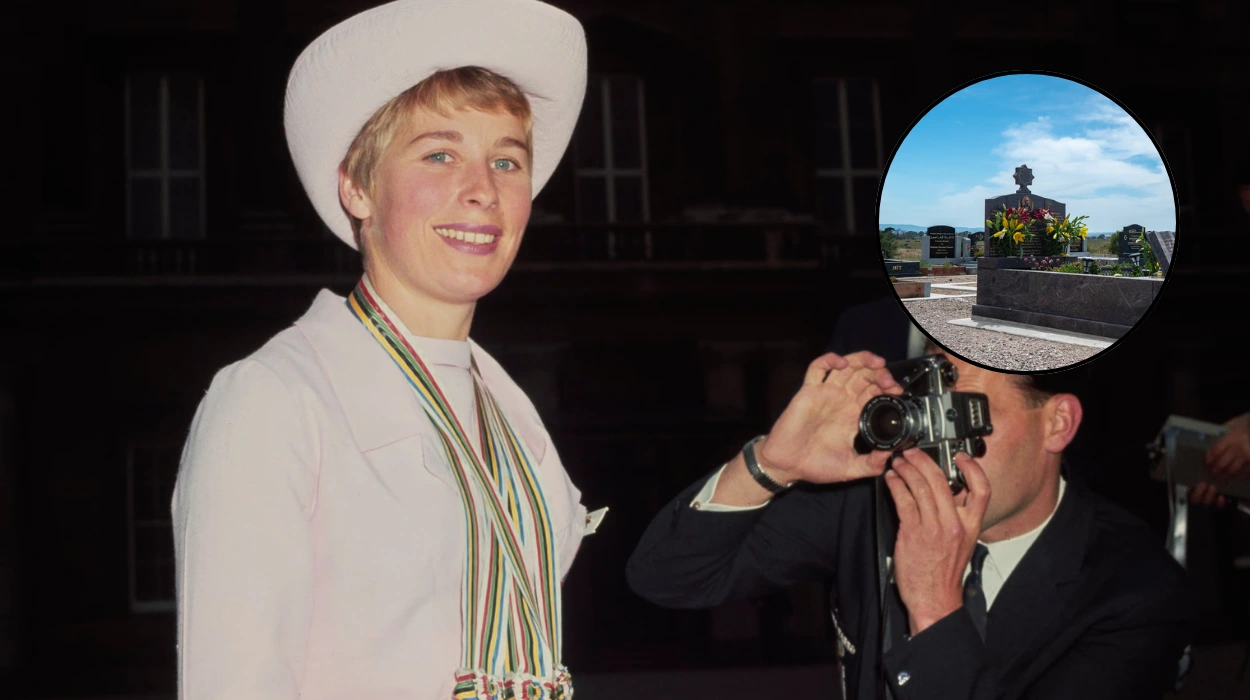
- Mary Rand won gold in the long jump, silver in the pentathlon, and bronze in the 4x100m relay at the Tokyo 1964 Olympics, making her Britain’s first female Olympic gold medallist in athletics.
- Born Mary Bignal in Wells, Somerset in 1940, she grew up in a council house with her father a chimney sweeper and window cleaner, and her mother a nurse.
- Received a sports scholarship at Millfield School and progressed quickly in athletics.
- At her first Olympics in Rome 1960, aged 20, she finished ninth in the long jump after fouling on her first two jumps in the final.
- Famously dubbed “Marilyn Monroe on spikes” by a journalist due to her blonde highlights; Mick Jagger called her his dream date.
- Worked in the postal department of the Guinness factory before Tokyo, earning £10 a week with free daily lunch, pint, and rode a Lambretta around London.
- In Tokyo, broke the world record with a 6.76m long jump into a -1.6m headwind on a sodden track, after eating chicken, cake, and Ovaltine for lunch.
- Might have won pentathlon gold but trailed Soviet athlete Irina Press by over six metres in shot put; Press stopped competing in 1966 after chromosome testing introduction.
- Sang lullabies to her three young Olympic roommates—including Mary Peters and Ann Packer—to help them sleep before competitions.
- Retired aged 28 before Mexico 1968 Olympics due to a torn Achilles tendon.
- Turned down “woman James Bond” film offers after Cannes Film Festival invitation to focus on track and field.
- Moved to the United States in 1969 with second husband Bill Toomey, Olympic decathlon champion; lived there for 57 years.
- Tributes from Mary Peters: “She was the golden girl of her era and the most gifted athlete I ever saw.”
- Peters described Rand’s versatility: could swim, play netball, hockey, do front and back flips on trampoline, and won a bullseye at a darts tournament on first try.
- Ann Packer: “Mary was the most gifted athlete I ever saw… there has never been anything like her since.”
London (Britain Today News) March 27, 2026 – Mary Rand, the British track and field athlete who blazed a trail for women by securing three Olympic medals at the Tokyo Games in 1964, passed away at the age of 86, marking the end of an era for British athletics.
Rand embodied speed, power, and grace, epitomising the giants of her sport. Her long jump gold in Tokyo etched her name in history as Britain’s first female Olympic champion in athletics, complemented by silver in the pentathlon and bronze in the 4x100m relay.
Who Was Mary Rand and What Made Her a Trailblazer in British Athletics?
Rand’s journey began humbly. Born Mary Bignal on 28 March 1940 in Wells, Somerset, she grew up in a council house. Her father worked as a chimney sweeper and window cleaner, while her mother was a nurse. From an early age, she displayed remarkable athletic prowess, earning a sports scholarship at the prestigious Millfield School. This opportunity propelled her through the ranks of British athletics.
By 1960, aged just 20, Rand arrived at the Rome Olympics as a favourite for the long jump gold. However, she finished ninth after fouling on her first two jumps in the final, a setback that only fuelled her determination.
Her financial struggles underscored the era’s challenges for female athletes. Unable to earn from competing, Rand worked in the postal department of the Guinness factory, drawing £10 a week. Perks included a free daily lunch and pint, allowing her to scoot around London on a Lambretta scooter.
Post-Tokyo fame brought offers, including an invitation to the Cannes Film Festival where producers pitched her for a series of “woman James Bond” films. True to her passion, she declined to prioritise track and field.
Tragedy struck before the 1968 Mexico Olympics when she tore her Achilles tendon, forcing retirement at 28. In 1969, she relocated to the United States with her second husband, Bill Toomey, the Olympic decathlon champion, living there out of the British spotlight for 57 years.
What Happened at Tokyo 1964 That Secured Mary Rand’s Olympic Legacy?
Tokyo 1964 defined Rand’s career. On a rainy day, she delivered a historic long jump of 6.76m into a -1.6m headwind on a sodden track, shattering the world record. As revealed to the Guardian’s John Rodda, her pre-jump lunch of chicken, cake, and Ovaltine seemed to fuel the extraordinary leap. For context, that distance fell just four centimetres short of the bronze requirement at the 2026 World Indoor Championships.
In the pentathlon, Rand nearly claimed a second gold but lagged over six metres behind Soviet Irina Press in the shot put. Press, whose gender faced speculation, ceased competing in 1966 following the introduction of chromosome testing, as noted in historical records.
A bronze followed in the 4x100m relay. Off the track, the 24-year-old mother to daughter Alison supported her roommates. As detailed in various reports, she sang lullabies—originally for Alison—to calm nerves before events.
How Did Mary Peters and Ann Packer Pay Tribute to Mary Rand?
Tributes poured in after Rand’s death announcement. Leading them was Mary Peters, 1972 pentathlon gold medallist and one of Rand’s four Tokyo roommates. Speaking to the Guardian, Peters said:
“She was the golden girl of her era and the most gifted athlete I ever saw. She worked hard and played hard, and she was a very talented all-around athlete. She could swim, she could play netball, she was a hockey player. And if you put her on the trampoline she would do front and back flips. I even went with her to darts tournaments once at Crystal Palace, and whoever threw the first bullseye won a free set of golden darts. Naturally she got a bullseye with her first dart.”
“There were four of us in the room, and we were all competing on different days, and all nervous and apprehensive,”
Peters added.
“And so Mary used to sing lullabies to us that she sang to her daughter, Alison, and that’s how we got to sleep at night before our competition.”
Ann Packer, 800m Olympic champion and another roommate, echoed the sentiment:
“Mary was the most gifted athlete I ever saw. She was as good as athletes get; there has never been anything like her since. And I don’t believe there ever will be.”
Rand’s 1960s charisma shone beyond sport. A journalist nicknamed her “Marilyn Monroe on spikes” for her blonde highlights, while Mick Jagger named her his dream date.
Why Did Mary Rand’s Tokyo Performances Stand Ahead of Their Time?
Rand’s feats transcended her era. Her long jump world record endured despite adverse conditions, showcasing unparalleled talent. Pentathlon silver and relay bronze rounded a haul that inspired generations, though amateur rules barred earnings.
Her versatility stunned peers—swimming, netball, hockey, trampolining, even darts prowess. Peters’ anecdotes, reported across outlets, paint a picture of boundless ability.
What Challenges Did Mary Rand Face in Her Athletic Career?
Pre-Tokyo poverty highlighted barriers. Post-glory, injury curtailed potential. Relocation to the US faded her from British view, yet her contributions remain immense.
How Has Mary Rand’s Legacy Impacted British Sport?
Rand’s Tokyo triumphs opened doors for women in athletics. As Britain’s pioneer gold medallist, she proved excellence amid hardship. Tributes affirm her as irreplaceable, her story a cornerstone of Olympic history.