Key Points
- The European Union’s anti-fraud office, Olaf, has opened a formal investigation into Lord Mandelson over possible fraud, corruption or serious misconduct during his time as an EU trade commissioner.
- The inquiry is understood to be linked to the Epstein files, which investigators are reviewing to establish whether any wrongdoing occurred during Mandelson’s four-year stint at the European Commission.
- Lord Mandelson served as an EU trade commissioner from 2004 to 2008 before later returning to British government as business secretary.
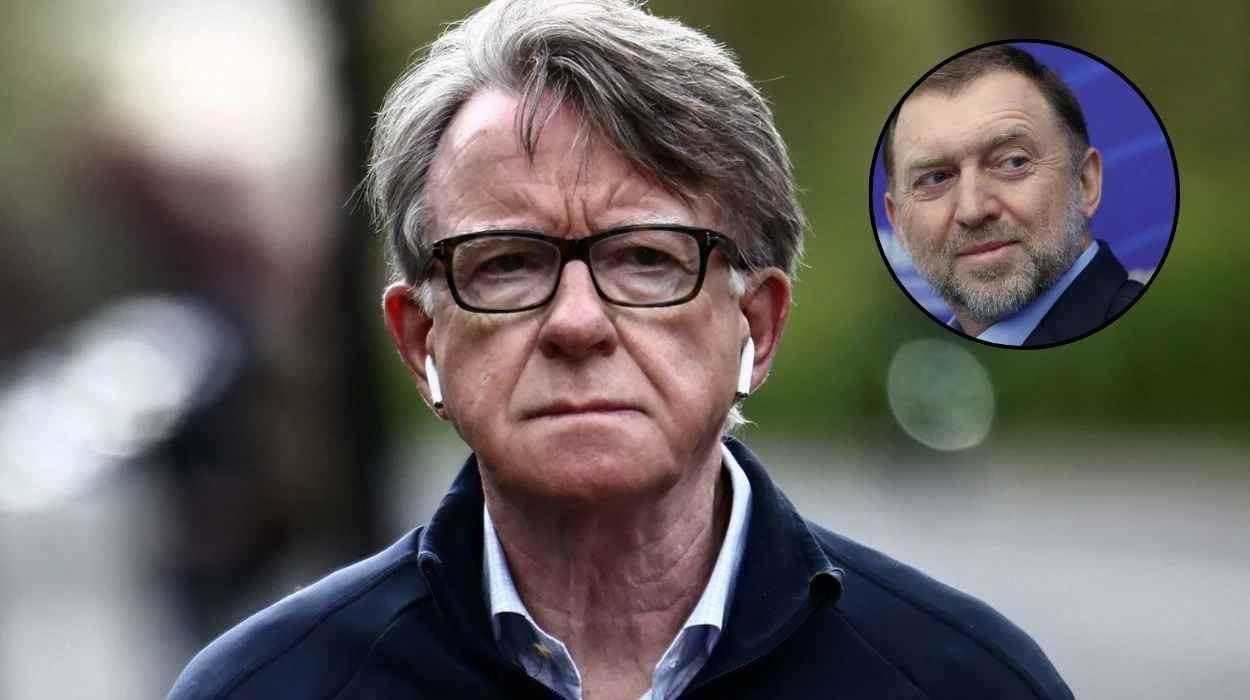
- The Telegraph reported that the investigation is separate from, but follows, earlier claims about Mandelson’s links to Jeffrey Epstein and Russian oligarch Oleg Deripaska.
- David Davis used parliamentary privilege in the Commons to allege that Mandelson’s decisions as trade commissioner may have favoured Deripaska’s company by $200m a year.
- Davis also alleged that Mandelson spent weekends with Deripaska in Moscow and at his dacha, claims that added to scrutiny of his conduct in office.
- Mandelson is already facing a separate criminal investigation in the UK after documents published by the US Department of Justice suggested he leaked sensitive government information to Epstein.
- Police arrested Mandelson at his home in Regent’s Park on 23 February and questioned him for about nine hours before releasing him on bail.
- A spokesman for Olaf confirmed that the investigation has been opened but said no further comment could be made because the inquiry is ongoing.
- The case adds to the fallout from the Epstein files, which earlier led to Mandelson being stripped of his role as British ambassador to the United States.
What is the EU investigating?
London (Britain Today News) April 24, 2026 – The European Union has opened a formal anti-fraud investigation into Lord Mandelson over alleged fraud, corruption or serious misconduct linked to his time as an EU trade commissioner, according to The Telegraph. The European Anti-Fraud Office, known as Olaf, confirmed the probe and said it was examining whether misconduct occurred during Mandelson’s four-year stint in Brussels, with the Epstein files understood to be part of that review.
As reported by The Telegraph, the inquiry does not yet appear to relate to a publicly identified single allegation, but investigators are trying to establish whether any improper conduct took place during Mandelson’s period in office. Olaf spokesman Pierluigi Caterino said:
“Olaf can confirm the opening of an investigation. However, as the investigation is ongoing, Olaf cannot issue any further comment,”
Why is Mandelson under scrutiny?
The latest inquiry comes after months of intensifying scrutiny over Mandelson’s connections to Jeffrey Epstein and other powerful figures. The Telegraph said the investigation is taking place amid wider fallout from the Epstein files, which have already led to Mandelson losing his role as British ambassador to the United States.
According to The Telegraph, Mandelson is also facing a separate criminal investigation in the UK after documents released by the US Department of Justice suggested he leaked sensitive government information to Epstein while serving in Gordon Brown’s Cabinet. The allegations include claims that he passed information about a multibillion-pound EU bailout, Brown’s resignation and potential government land sales to the convicted paedophile.
What did David Davis claim?
The Telegraph reported that former Tory Cabinet minister David Davis used parliamentary privilege earlier this year to make a series of allegations against Mandelson in the Commons. Davis claimed that Mandelson’s relationship with Russian oligarch Oleg Deripaska
“may be just as bad as the one he had with Epstein”,
and alleged that, as trade commissioner, Mandelson made decisions that favoured Deripaska’s company by $200m a year.
Davis also repeated his criticism in Parliament earlier this week, saying Mandelson
“spent weekends with Deripaska in his dacha and in Moscow”,
The Telegraph reported. He argued that such travel would not have been recorded by the European Union because commissioners’ weekend movements were not logged.
What is Mandelson’s background?
Lord Mandelson was an EU trade commissioner from 2004 to 2008, according to The Telegraph. After that period, former prime minister Gordon Brown gave him a life peerage and brought him back into government as business secretary. His return to public office followed a long political career in which he remained one of Labour’s most prominent and controversial figures.
The current investigation therefore places renewed attention on a senior political figure whose public life has already been marked by repeated controversy. The Telegraph’s report suggests Olaf is now looking beyond the Epstein material to assess whether Mandelson’s actions in Brussels may have involved wider misconduct.
What happens next?
Olaf has confirmed only that the investigation is open, so the next stage will likely involve further review of the publicly available documents and any additional evidence relevant to Mandelson’s EU period. The European Commission previously said that Olaf would first complete an initial assessment before deciding whether to open a full investigation, indicating that the process can evolve as more material is reviewed.
For now, the significance of the case lies in its overlap between European anti-fraud scrutiny, British political fallout and the continuing legal consequences of the Epstein files. The Telegraph said the inquiry is ongoing, while Mandelson remains under separate criminal investigation in the UK.
Why does it matter?
The case matters because it moves Mandelson’s controversy from reputational damage into formal institutional scrutiny by a European anti-fraud body. If Olaf’s inquiry finds evidence of fraud, corruption or serious misconduct, the political and legal consequences could deepen significantly.
It also highlights how the Epstein files continue to generate international repercussions well beyond the original scandal. In Mandelson’s case, the documents have already contributed to his removal as ambassador to the US and to a separate police investigation in Britain. The new EU inquiry now adds another layer of pressure and keeps his conduct in public office under close examination.