Key Points
- Pupils starting Primary 1 in Edinburgh in the 2027-28 academic year will receive a free “Welcome to School” backpack filled with school essentials, under a UK-first initiative.
- Around 47,000 pupils across Scotland’s primary and special schools are expected to qualify, based on National Records of Scotland population projections.
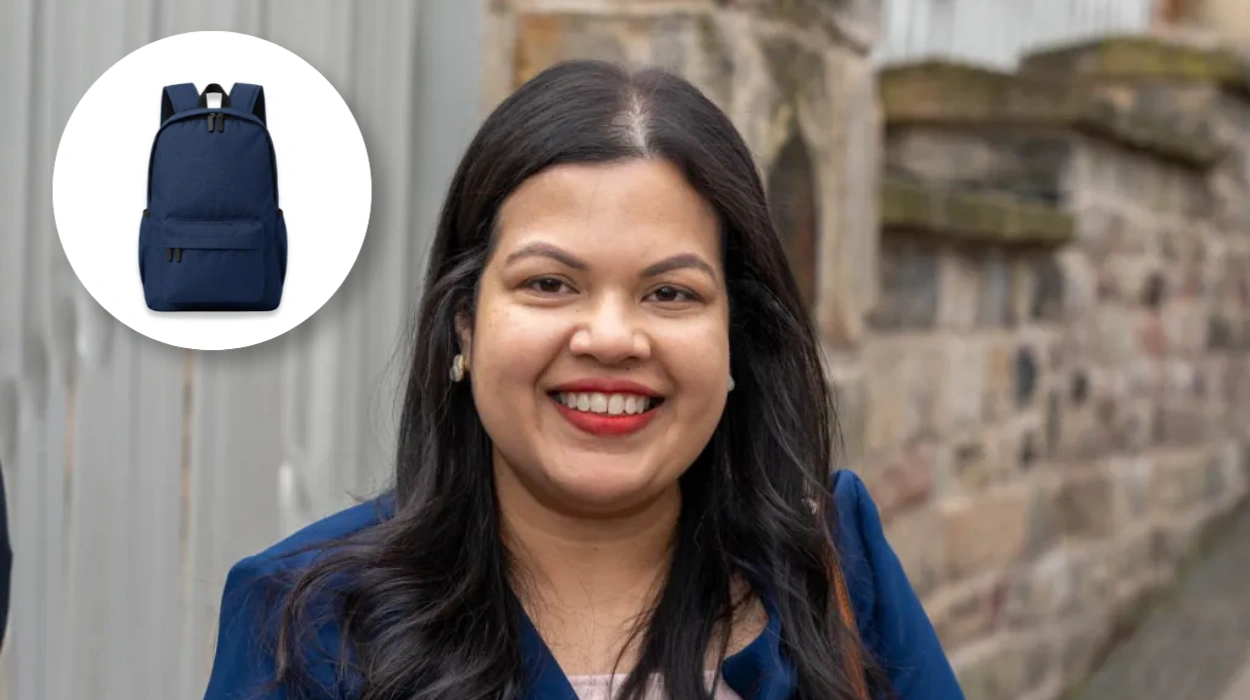
- The backpacks will be made from lightweight recycled materials and feature reflective piping, multiple compartments and a window for children to display their own drawings.
- Each bag will include a pencil case, pens, pencils, coloured crayons, a notebook, a water bottle, and literacy and numeracy resources linked to the Bookbug and Read, Write, Count programmes.
- User testing is planned for this autumn to finalise the bags’ design, contents and colours.
- The Scottish Government is procuring the backpacks, with final costs and distribution details yet to be confirmed.
- The scheme is based on the universal Baby Box model, unlike Wales’ means-tested School Essentials Grant.
- Simita Kumar, MSP for Edinburgh South Western, welcomed the initiative as part of wider efforts to tackle child poverty.
- Families may also qualify for the Best Start Grant School Age Payment, worth more than £330, and the School Clothing Grant, worth at least £120.
- Universal free school meals for P1-P5 pupils and children in special schools already save families an estimated £450 per child each year.
Edinburgh (Britain Today News) August 25, 2026 — Children starting Primary 1 in Edinburgh from August 2027 will be among roughly 47,000 pupils across Scotland to receive a free school backpack stocked with essential items, under a scheme the Scottish Government says is the first of its kind anywhere in the UK. The Welcome to School bags, currently being procured by ministers after consultation with families and teachers, will be distributed to pupils in local primary and special schools in time for the 2027-28 academic year, with the aim of ensuring no child begins school at a disadvantage because of their family’s financial circumstances.
- Key Points
- What Is the Welcome to School Bag Scheme?
- When Will Edinburgh Pupils Receive Their School Bags?
- How Many Pupils Will Benefit from the Scheme?
- What Will the Bags Look Like and What Materials Will Be Used?
- What Will Be Inside the Welcome to School Bags?
- How Are the Bags Being Designed and Tested?
- Who Is Procuring and Funding the Bags, and What Will They Cost?
- How Does Scotland’s Scheme Compare to Wales’ Support for School Essentials?
- What Has Simita Kumar MSP Said About the Initiative?
- What Other Financial Support Is Available to Scottish Families with School-Age Children?
- What Free School Meal Provision Already Exists in Scotland?
- Why Is the Scheme Significant for Tackling Child Poverty?
- What Happens Next for Parents and Schools in Edinburgh?
What Is the Welcome to School Bag Scheme?
The Welcome to School bag scheme is a Scottish Government initiative designed to provide every child starting Primary 1 with a free backpack containing basic school supplies. Officials have described it as the first universal scheme of its kind in the United Kingdom, meaning it will not be means-tested and will be available to all eligible pupils regardless of household income. The programme is intended to sit alongside a growing suite of Scottish Government family support measures, reducing the financial burden on parents and carers as children transition into formal education.
When Will Edinburgh Pupils Receive Their School Bags?
Pupils enrolling in Primary 1 for the 2027-28 academic year will be the first to receive the bags, with distribution planned for August 2027. This timeline gives the Scottish Government roughly a year to finalise procurement, complete design testing and establish distribution logistics across local authorities, including the City of Edinburgh Council area.
How Many Pupils Will Benefit from the Scheme?
An estimated 47,000 pupils across Scotland’s primary and special schools are expected to be eligible for a bag in the scheme’s first year. This figure has been calculated using population projections published by National Records of Scotland, and is likely to be refined closer to the scheme’s launch as more precise enrolment data becomes available.
What Will the Bags Look Like and What Materials Will Be Used?
The bags are being manufactured from lightweight, recycled materials, reflecting a broader push towards sustainability in publicly funded initiatives. Safety has also been built into the design, with reflective piping intended to improve visibility for young children walking to and from school, particularly during the darker winter months. The bags will feature multiple compartments to help pupils organise their belongings, along with a clear window panel that allows children to insert their own drawings or artwork, giving each bag a personal touch.
What Will Be Inside the Welcome to School Bags?
Each bag will be filled with a core set of school essentials. According to the Scottish Government, the contents will include a pencil case, pens, pencils, coloured crayons, a notebook and a water bottle. In addition, the bags will contain resources to support reading, writing and maths practice at home, which have been designed to complement two existing early years programmes: Bookbug, Scotland’s national book-gifting initiative, and Read, Write, Count, which provides free books and learning resources to primary school pupils.
How Are the Bags Being Designed and Tested?
The Scottish Government has said that user testing will take place this autumn, involving families and teachers, to help finalise the design, contents and colour schemes of the bags before mass production begins. This consultation approach mirrors the process used for other family-focused schemes, and is intended to ensure the final product is practical, durable and genuinely useful for young children starting school.
Who Is Procuring and Funding the Bags, and What Will They Cost?
The Scottish Government confirmed it is currently in the process of procuring the bags, having already engaged with families and teachers as part of the design process. Final costs and full distribution details are expected to be confirmed once procurement is complete. No specific budget figure or per-unit cost has yet been published.
How Does Scotland’s Scheme Compare to Wales’ Support for School Essentials?
Scotland’s approach differs notably from that of Wales, which operates a means-tested School Essentials Grant. That grant can help cover the cost of school equipment, but only for households that meet lower-income eligibility criteria. By contrast, Scotland’s Welcome to School bag will be provided universally to all eligible P1 pupils, irrespective of family income. Officials have drawn a direct comparison between this scheme and Scotland’s existing Baby Box programme, which similarly provides a physical starter package to every newborn in the country regardless of parental earnings.
What Has Simita Kumar MSP Said About the Initiative?
Simita Kumar, MSP for Edinburgh South Western, welcomed the scheme, highlighting its potential benefit for families across the capital. Ms Kumar said:
“The SNP is determined to give young Scots the best possible start in life – from the Baby Box, to the School Clothing Grant, Best Start Grant, School Age Payments, breakfast clubs and free school meals, the Welcome to School Bag will help ensure that no child’s start to school is determined by their family’s financial circumstances.”
She added:
“These steps we have taken are vital in our journey to eradicate child poverty, which is why we have prioritised delivering the first bags to reach children by the time they start school next year.”
What Other Financial Support Is Available to Scottish Families with School-Age Children?
Beyond the new backpack scheme, families in Scotland can currently access a number of other forms of financial support tied to their children’s education. Social Security Scotland is presently accepting applications for the Best Start Grant School Age Payment, which provides eligible families with more than £330. Families may also apply for the School Clothing Grant, which offers a minimum of £120 towards the cost of uniforms and clothing for primary school pupils. These payments are designed to be claimed alongside one another, and eligibility is generally linked to household income and receipt of certain benefits.
What Free School Meal Provision Already Exists in Scotland?
All pupils in Primary 1 to Primary 5, as well as those attending special schools, are currently entitled to universal free school meals, regardless of household income. The Scottish Government estimates that this provision saves families approximately £450 per child each year, making it one of the most significant existing forms of financial relief for parents of young children already in the system.
Explore More about Politics:
Gregory Campbell DUP MP IPSA Expenses Probe
Reform UK to Prioritise British-Born Workers for Social Housing
Why Is the Scheme Significant for Tackling Child Poverty?
Ministers have framed the Welcome to School bag as part of a wider, long-term strategy to reduce child poverty in Scotland. Combined with the Baby Box, the School Clothing Grant, the Best Start Grant School Age Payment, breakfast clubs and universal free school meals, the backpack scheme adds another layer of support aimed at levelling the playing field for children from lower-income households as they begin their school journey. By making the provision universal rather than means-tested, the Scottish Government says it hopes to avoid stigmatising any child on their first day of school, ensuring every Primary 1 pupil arrives with the same essentials in hand.
What Happens Next for Parents and Schools in Edinburgh?
With procurement still underway and user testing scheduled for this autumn, further details on distribution logistics, exact bag design and confirmed costs are expected to be released by the Scottish Government in the coming months. Parents of children due to start Primary 1 in Edinburgh and across Scotland in August 2027 are likely to receive further guidance from their local authority and school as the scheme’s rollout plans become clearer.