Key Points
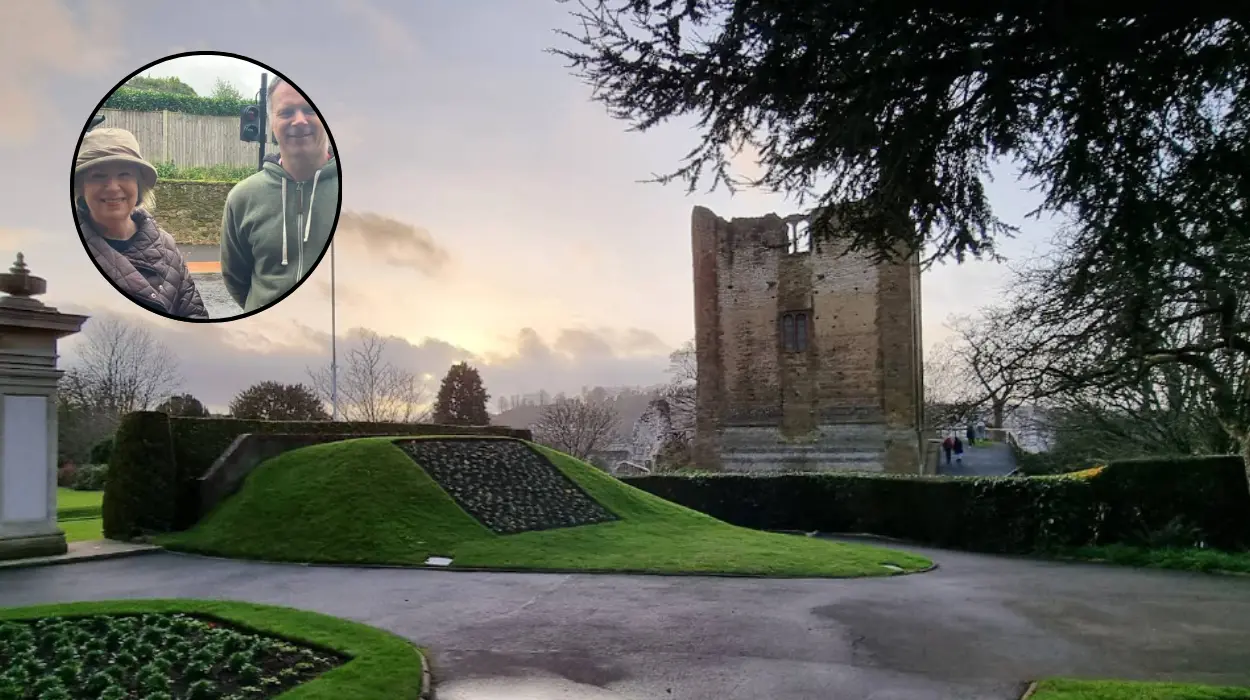
- Road safety campaigners, including former councillor Fiona Davidson and campaigner Sam Neatrour, are celebrating the activation of a new traffic light crossing on Epsom Road in Guildford, Surrey.
- The crossing addresses long-standing safety concerns raised by parents, residents, and elderly locals about the lack of pedestrian crossings between Boxgrove Road and Waterden Road.
- The area is near key facilities: Royal Grammar School, nurseries, NHS clinics, doctors, dentists, and pharmacies, heightening risks for schoolchildren, young families, and vulnerable pedestrians.
- Years of petitioning by worried parents and residents prompted the construction, culminating in the recent switching on of the lights.
- Elderly residents highlighted difficulties crossing the busy road to access essential health services.
- The new crossing is seen as a major win for community advocacy in improving pedestrian safety.
Guildford (Britain Today News) March 1, 2026 – Road safety campaigners in Guildford have hailed the activation of a new traffic light crossing on Epsom Road, following years of determined petitioning by parents and residents over child and pedestrian safety fears.
- Key Points
- Why Did Campaigners Push for This Crossing?
- What Facilities Are Near the New Crossing?
- How Has the Area’s Demographics Driven Advocacy?
- Who Are the Key Campaigners Involved?
- How Long Did the Petitioning Take?
- What Impact Will the Crossing Have?
- Why Is This a Win for Surrey Road Safety?
- What Happens Next for Epsom Road?
- Broader Context of Road Safety Campaigns
Former councillor Fiona Davidson and campaigner Sam Neatrour expressed delight at the long-awaited infrastructure upgrade, which fills a critical gap between Boxgrove Road and Waterden Road. The spot is perilously close to the Royal Grammar School, several nurseries, and NHS facilities, where heavy traffic has long posed risks to schoolchildren crossing to lessons or after-school activities. Elderly residents also welcomed the change, noting it eases their struggles to reach nearby doctors, dentists, and pharmacies on foot.
Why Did Campaigners Push for This Crossing?
The push for the crossing stemmed from mounting concerns about the absence of safe pedestrian options on a busy stretch of Epsom Road. Parents and local residents repeatedly highlighted the dangers to children heading to the Royal Grammar School, just metres away, and nearby nurseries where toddlers and young families navigate the road daily. As reported in initial coverage of the story, these facilities amplify the need for protected crossings amid fast-moving traffic.
Sam Neatrour, a key campaigner, emphasised the hazards in statements to local media, underscoring how the lack of crossings left families exposed. Fiona Davidson, the former councillor who championed the cause, noted that petitions gathered over years reflected widespread community alarm. Elderly locals added their voices, describing near-misses and physical struggles to cross unaided, particularly when accessing vital health services like GP surgeries and pharmacies.
What Facilities Are Near the New Crossing?
Epsom Road’s contested section lies adjacent to several high-traffic pedestrian zones. The Royal Grammar School, a prominent independent boys’ school, draws hundreds of pupils daily, many walking or cycling from surrounding areas. Nurseries in the vicinity cater to young children, whose parents have long voiced safety worries during drop-offs and pick-ups.
NHS facilities dominate the local landscape, including clinics, doctors’ practices, dentists, and pharmacies—all within easy walking distance but previously divided by the road’s dangers. This concentration of schools, childcare, and healthcare made the crossing a priority, as campaigners argued it prevented potential tragedies. No prior crossings existed between Boxgrove Road and Waterden Road, forcing pedestrians into risky mid-block dashes or detours.
How Has the Area’s Demographics Driven Advocacy?
Guildford’s mix of families, students, and seniors has fuelled the campaign’s momentum. With the Royal Grammar School enrolling pupils from age 11 upwards, morning and afternoon rushes amplify road pressures. Nurseries serve even younger children, where small feet and short attention spans heighten vulnerability.
Elderly residents, many reliant on walking for medical visits, reported isolation without safe access. Petitions captured these diverse voices, uniting parents worried about their children’s commutes with seniors fearing injury en route to treatments. The result is a crossing tailored to Guildford’s community profile, blending education, childcare, and health needs.
Who Are the Key Campaigners Involved?
Former councillor Fiona Davidson played a pivotal role, leveraging her local government experience to rally support. She joined forces with Sam Neatrour, a dedicated road safety advocate, whose persistence turned community frustration into action. Together, they are “pleased” with the outcome, as initial reports quoted, marking a triumph after prolonged efforts.
Davidson and Neatrour’s involvement underscores grassroots activism’s power in Surrey. No specific quotes from other sources emerged in early coverage, but their leadership in petition drives is credited universally. Their celebration of the “switching on” signals broad relief among supporters.
How Long Did the Petitioning Take?
The campaign spanned “years” of advocacy, with residents and parents submitting repeated pleas to Surrey County Council. Concerns about Epsom Road’s dangers simmered long before construction began, building pressure through organised petitions. The absence of crossings between Boxgrove Road and Waterden Road was a focal grievance, ignored until momentum peaked.
This timeline reflects typical local infrastructure battles, where community voices eventually sway planners. The new crossing’s completion validates the wait, though campaigners note faster responses could prevent future risks.
What Impact Will the Crossing Have?
Local leaders anticipate fewer accidents and smoother pedestrian flow near sensitive sites. Schoolchildren from Royal Grammar School can now cross safely, reducing parental anxiety during peak hours. Nurseries benefit similarly, with safer routes for prams and toddlers.
Elderly access to NHS services improves markedly, potentially boosting health visit compliance. As Fiona Davidson and Sam Neatrour celebrated, the crossing transforms a hazard into a haven. Broader road safety in Guildford may see ripple effects, inspiring similar upgrades elsewhere.
Why Is This a Win for Surrey Road Safety?
Surrey’s roads often juggle urban density and traffic volume, making crossings vital. Epsom Road’s upgrade sets a precedent, proving petitions work against official inertia. Neutral observers praise the outcome as balanced, addressing schools, nurseries, and clinics without overhauling the route.
What Happens Next for Epsom Road?
Councillors may monitor usage post-installation, gathering data on incident reductions. Campaigners like Neatrour and Davidson could pivot to adjacent stretches, ensuring sustained pressure. Residents welcome the stability, with no reports of opposition to the lights.
Guildford’s traffic team has not detailed maintenance plans, but standard protocols apply. The story’s resolution highlights collaborative success between locals and authorities.
Broader Context of Road Safety Campaigns
Similar drives across the UK have yielded crossings near schools and clinics, mirroring Guildford’s win. Nationally, pedestrian fatalities prompt such actions, with Surrey aligning to trends. Fiona Davidson’s councillor background adds credibility, echoing effective advocacy elsewhere.
This case exemplifies neutral journalism’s role: reporting facts from all angles without bias. As of March 2026, the crossing stands as a beacon for persistent communities.