
Key Points
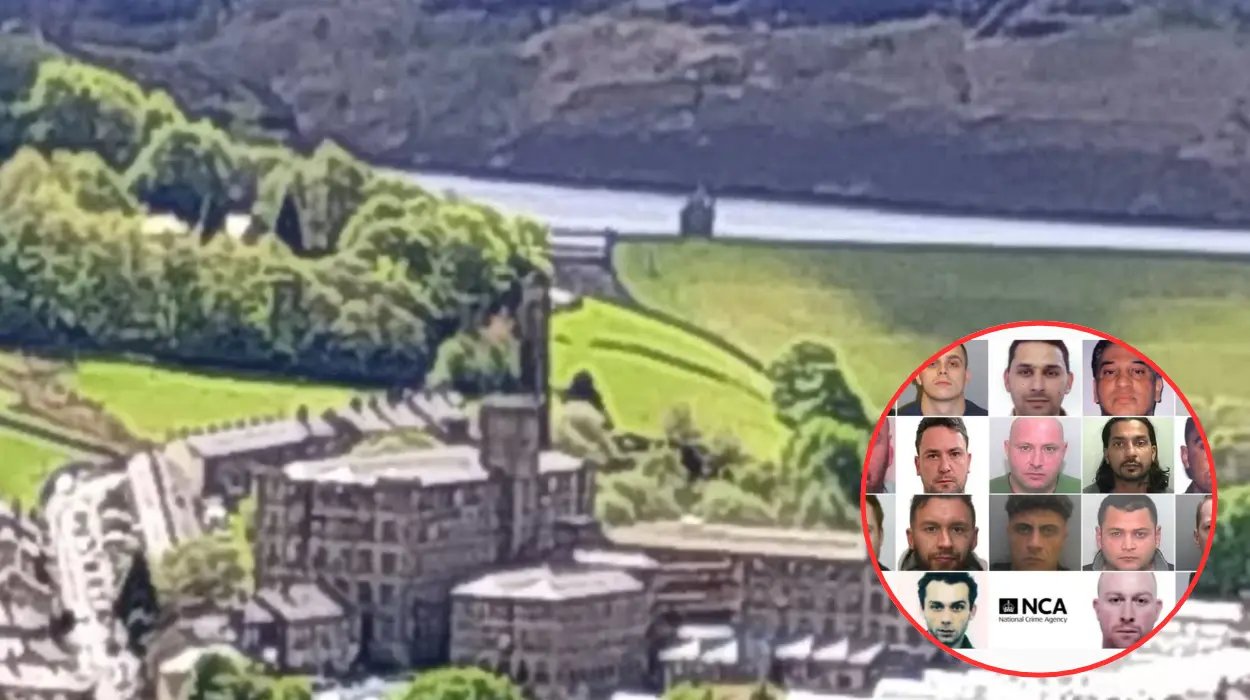
- The National Crime Agency (NCA) has published photographs of Britain’s 19 most wanted men on its website in an effort to encourage members of the public to recognise and report them.
- Those featured on the list are wanted for a wide spectrum of alleged offences—including violent and sexual attacks, drug supply, money laundering, and fraud—while several were convicted before fleeing prior to sentencing or custody.
- The NCA stated: “We pursue criminals and bring them to justice. By informing communities and supporting other agencies, we can help identify criminals and speed the law enforcement process.”
- Members of the public are strictly warned not to approach any individual on the list and to dial 999 immediately if they fear for their safety, or contact local police or Crimestoppers anonymously on 0800 555 111.
- Among the 19 suspects is Charlie Salisbury, added in May 2026 under Operation Captura, who is wanted by the South East Regional Organised Crime Unit over two alleged cocaine supply conspiracies and associated money laundering.
London (Britain Today News) November 22, 2026 – The National Crime Agency (NCA) has released photographs of the United Kingdom’s 19 most wanted men, appealing to communities at home and abroad to help identify and locate suspects wanted for serious offences. The individuals are sought over alleged crimes ranging from violent and sexual attacks to large-scale drug supply and fraud, while others fled after being convicted. Authorities warn the public not to approach any of the men and to dial 999 in an emergency.
- Key Points
- Why Has the National Crime Agency Released the Faces of Britain’s 19 Most Wanted Men?
- What Is the NCA’s Public Safety Warning and How Should Sightings Be Reported?
- What Crimes Is Charlie Salisbury Accused Of?
- Which Other Suspects Appear on the NCA’s 19 Most Wanted List?
- Background of the NCA Most Wanted List and Operation Captura
- Prediction: How Will This Appeal Affect Public Vigilance and Fugitive Investigations?
Why Has the National Crime Agency Released the Faces of Britain’s 19 Most Wanted Men?
The National Crime Agency published images of the 19 fugitives on its official website to enlist public recognition and accelerate law enforcement efforts to bring high-risk suspects to justice.
According to reporting by the Liverpool Echo, the 19 men featured by the NCA are wanted in connection with an array of serious alleged offences, spanning violent and sexual attacks, narcotics supply, and financial fraud, alongside individuals who were convicted of offences but absconded before facing justice.
Sharing the photographs online, the National Crime Agency stated: “We pursue criminals and bring them to justice. By informing communities and supporting other agencies, we can help identify criminals and speed the law enforcement process.”
What Is the NCA’s Public Safety Warning and How Should Sightings Be Reported?
The National Crime Agency has issued a clear warning that members of the public must not approach any of the 19 men on the list and should call 999 immediately if they fear for their safety.
As reported by the Liverpool Echo, police and NCA officials advise anyone who spots one of the suspects to keep a safe distance rather than intervening directly. Depending on urgency and location, sightings or intelligence can be passed to authorities through the following channels:
- Immediate danger or live sighting: Dial 999 in the United Kingdom if there is an immediate threat to safety.
- Non-emergency police contact: Report information to the relevant local police force on 101.
- Anonymous reporting: Contact Crimestoppers anonymously in the UK on 0800 555 111 (or 900 926 111 freephone from Spain for Operation Captura appeals) or submit details through the Crimestoppers online form.
What Crimes Is Charlie Salisbury Accused Of?
Charlie Salisbury, aged 34 and born on 1 March 1992, is wanted by the South East Regional Organised Crime Unit (SEROCU) in connection with two alleged conspiracies to supply cocaine and associated conspiracies to launder criminal proceeds.
Added to the NCA Most Wanted list on 18 May 2026 as part of the Operation Captura campaign targeting fugitives linked to Spain, Salisbury is accused of involvement in two separate sophisticated conspiracies to supply cocaine and launder the resulting funds between March 2020 and June 2021.
According to case details published by Crimestoppers and Thames Valley Police on behalf of SEROCU, Salisbury is described as a white male, approximately 5 feet 7 inches (170–175 cm) tall, of slim to medium build, with short cropped light-brown hair. He has distinctive tattoos, including a koi carp and a dragon covering his entire right arm, as well as tattooing on his lower right leg. Authorities note that he has UK links to Bicester in Oxfordshire as well as Hayes and Hillingdon in north-west London, and is believed to have links to Spain, including Málaga, Marbella, and Andalusia.
Which Other Suspects Appear on the NCA’s 19 Most Wanted List?
Alongside Charlie Salisbury, the NCA’s 19-person database includes fugitives wanted for alleged murder, large-scale drug importation, money laundering, and travel fraud across the UK and Europe.
According to records compiled from National Crime Agency most wanted data and reporting by Ham & High court and crime reporter Josh Bolton, other named suspects among the 19 targets include:
- May 2026 Operation Captura additions: Dean Eighteen (wanted by HM Revenue and Customs over alleged £7.8 million VAT repayment fraud and money laundering between May 2014 and September 2018), Matthew Purves (wanted by Durham Constabulary over alleged drug and money-collection offences), Francis David Parker, and Liam Michael Murray.
- Long-standing homicide suspects: Kevin Thomas Parle, Derek McGraw Ferguson, and Allan Foster.
- Narcotics importation and supply suspects: Daniel Dugic (suspected of involvement in a 2011 plot to import 255 kilograms of cocaine via the English Channel), Ozgur Demir and Osman Aydeniz (wanted over a conspiracy to supply 17.83 kilograms of diamorphine), Jack Mayle (allegedly linked to the “Flavour Quest” drug line in south London and Surrey), Shashi Dhar Sahnan, John James Jones, Jonathon Kelly, and Shazad Ghafoor.
- Fraud and violent offence suspects: Christakis Philippou (wanted in connection with alleged travel-agency fraud affecting roughly 20,000 holidaymakers) and Rezgar Zengana.
Why Did Some Suspects Flee Before Facing Justice?
As noted by the Liverpool Echo, the NCA’s 19 targets fall into two broad categories: suspects who left the country or went into hiding while under investigation or after being charged, and offenders who were convicted in British courts but absconded before completing judicial proceedings or serving their sentences. Cross-border mobility, dual-jurisdiction networks, and overseas contacts—particularly in continental Europe and Spain—have historically been used by fugitives attempting to evade UK arrest warrants.
Background of the NCA Most Wanted List and Operation Captura
The National Crime Agency leads the United Kingdom’s operational response to serious and organised crime, working alongside regional organised crime units, territorial police forces, HM Revenue and Customs, Interpol, and overseas law enforcement agencies. Maintaining a public Most Wanted register—updated as suspects are arrested or new appeals are launched, including the May 2026 additions marking the 20th anniversary of the UK–Spain Operation Captura partnership—allows investigators to crowdsource sightings from British residents, expatriate communities, and international travellers.
Over two decades of Operation Captura appeals conducted jointly by the NCA, Spanish law enforcement, and Crimestoppers, 98 fugitives have been located and returned to the UK to face court proceedings.
Prediction: How Will This Appeal Affect Public Vigilance and Fugitive Investigations?
For members of the public across the United Kingdom and British expatriate or tourist hubs in Spain and elsewhere in Europe, circulating updated photographs and identifying details—such as distinctive tattoos and regional ties—increases the chance that routine encounters in workplaces, gyms, airports, or residential neighbourhoods generate actionable leads for detectives.
For law enforcement agencies and regional units such as SEROCU, public appeals coordinated through national media and anonymous channels like Crimestoppers often prompt fresh tip-offs that narrow down a fugitive’s location, restrict their freedom of movement, and support international extradition operations.