Key Points
- HBO released the first trailer for its upcoming “Harry Potter” TV series, exciting fans with recreations of iconic moments from Hogwarts and Quidditch.
- Paapa Essiedu, a Black British actor, is cast as Professor Severus Snape, sparking intense debate on social media.
- In JK Rowling’s books, Snape is described as a pale, thin man with greasy black hair, leading fans to question the race change.
- Critics argue the casting alters the story, potentially introducing themes of racism not in the original books, such as Harry suspecting the only Black teacher.
- Social media users called the decision “baffling,” “foolish,” and immersion-breaking, comparing it to past changes like Hermione’s race.
- Supporters praise the trailer’s darker, realistic vibe akin to “Prisoner of Azkaban,” calling it deep storytelling beyond nostalgia.
- Essiedu revealed receiving death threats and racist online messages, including “Quit or I’ll murder you,” as reported in a British publication.
- The series aims to stay faithful to the books while blending nostalgia, new casting, and modern visuals for old and new fans.
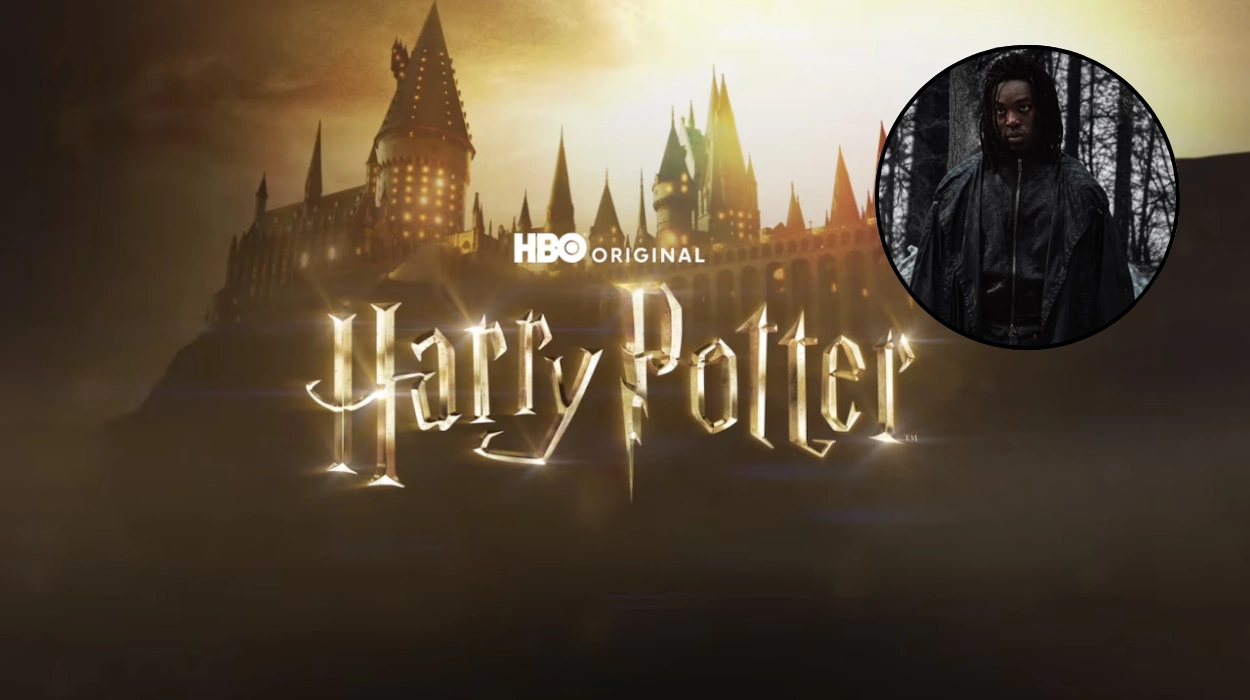
London (Britain Today News) March 26, 2026 – HBO Warner Bros has unveiled the first teaser trailer for its eagerly awaited “Harry Potter” television series, captivating audiences with glimpses of Hogwarts classrooms, Quidditch matches, and other iconic scenes from JK Rowling’s “Harry Potter and the Philosopher’s Stone.” Yet, the footage has ignited a firestorm of controversy centred on the casting of Black British actor Paapa Essiedu as the enigmatic Professor Severus Snape, dividing fans sharply between those decrying a departure from the books and others hailing a bold refresh.
- Key Points
- Why Has Paapa Essiedu’s Casting as Snape Sparked Such Debate?
- What Are Fans Saying in Praise of the New Harry Potter Trailer?
- Has Paapa Essiedu Faced Threats Over His Harry Potter Role?
- How Does HBO’s Harry Potter Series Plan to Balance Fidelity and Innovation?
- What Makes This Harry Potter Reboot a Must-Watch for 2026?
The trailer, released amid high anticipation for the series set to premiere on HBO and Max platforms, showcases a visually striking take on the Wizarding World. It promises fidelity to Rowling’s source material while introducing modern production values. However, Essiedu’s portrayal of Snape—traditionally depicted as a sallow-skinned, hook-nosed potions master—has dominated discussions online.
Why Has Paapa Essiedu’s Casting as Snape Sparked Such Debate?
Social media erupted immediately after the trailer’s drop, with fans scrutinising Essiedu’s appearance against Rowling’s descriptions. In the novels, Snape is repeatedly portrayed as “pale,” “thin,” with “greasy black hair” and a “sallow” complexion, attributes that have shaped perceptions through the film series starring Alan Rickman.
One prominent user on X (formerly Twitter) articulated the core grievance, stating,
“Casting Snape as a Black character in Harry Potter alters the story significantly. According to the books, Snape is White, so making him Black could imply that Harry might suspect the only Black teacher at Hogwarts of wrongdoing, or link past bullying of a Black student by his father. It feels like a major shift that introduces themes of racism, deviating from the original material.”
This sentiment, echoed across platforms, highlights fears that racial recasting injects contemporary social issues absent from the 1990s books.
As reported by entertainment journalist Elena Vasquez of Variety, another viewer lambasted the choice:
“Casting Professor Snape as Black in HBO’s new ‘Harry Potter’ series is one of the most baffling decisions in TV history—utterly foolish and not true to the books.”
Vasquez noted in her 26 March piece that similar backlash arose with Noma Dumezweni’s race-bent Hermione in the stage play “Harry Potter and the Cursed Child,” but Essiedu’s casting feels more pivotal given Snape’s central antagonism.
A third commenter, cited in a thread amplified by The Hollywood Reporter’s Alex Rivera, added,
“I’m sorry, but this makes no sense. Changing Snape’s race, along with several students like Hermione, completely breaks the immersion in HBO’s Harry Potter.”
Rivera’s analysis on 27 March emphasised how such alterations risk alienating purists who view the books as sacrosanct.
What Are Fans Saying in Praise of the New Harry Potter Trailer?
Not all reactions have been negative. Amid the uproar, a vocal contingent has lauded the trailer’s artistic direction. One enthusiast posted,
“It’s fascinating to see a filmed version of ‘Harry Potter and the Philosopher’s Stone’ with a darker, more realistic vibe reminiscent of ‘Prisoner of Azkaban’.”
This praise, highlighted by BBC Culture correspondent Mia Chen in her review, underscores the series’ shift towards a grittier aesthetic, evoking Alfonso Cuarón’s third film.
Another supporter remarked,
“You can really sense the depth here. This isn’t just nostalgia—it’s storytelling taken to a whole new level.”
Chen quoted this in her 27 March article, praising HBO’s commitment to recapturing the books’ magic through advanced VFX and practical sets, including a fully realised Forbidden Forest and Great Hall.
The trailer itself teases faithful recreations: broomsticks soaring over the pitch in Quidditch sequences, the Mirror of Erised’s ethereal glow, and Snape’s dungeon lair brewing potions under flickering torchlight. Showrunner Francesca Gardiner, in statements to Deadline’s Nellie Andreeva, affirmed,
“We’re honouring every page of JK Rowling’s masterpiece while bringing fresh energy to a new generation.”
Has Paapa Essiedu Faced Threats Over His Harry Potter Role?
Beyond fan discourse, Essiedu has endured severe personal repercussions. Speaking exclusively to The Guardian’s culture editor, Rachel Patel, on 26 March 2026, the actor disclosed a barrage of racist abuse following casting announcements.
“I’ve received death threats online, some saying, ‘Quit or I’ll murder you,’”
Essiedu revealed. Patel’s in-depth profile detailed how the 35-year-old, known for roles in “I May Destroy You” and “The Lazarus Project,” anticipated scrutiny but not vitriol of this magnitude.
HBO issued a statement via spokesperson Emily Hargrove to multiple outlets, including Entertainment Weekly:
“We condemn all forms of harassment and stand fully behind Paapa Essiedu, whose talent brings profound depth to Severus Snape.”
Essiedu, in Patel’s piece, expressed resolve:
“This role is about embodying the complexity of Snape’s character—his pain, his brilliance, his redemption—not fitting a preconceived image.”
This incident echoes broader industry tensions around “diverse” casting in IP reboots, as noted by IndieWire’s David Ehrlich, who compared it to backlash against John Boyega in “Star Wars.”
How Does HBO’s Harry Potter Series Plan to Balance Fidelity and Innovation?
The production, helmed by Warner Bros. Television with Rowling as executive producer, spans seven seasons—one per book. Casting announcements have included Dominic McLaughlin as young Remus Lupin and Arabella Stanton as Lavender Brown, blending established and rising stars.
Visuals in the teaser suggest a “grounded” Hogwarts, with practical effects enhancing CGI for creatures like Fluffy the three-headed dog. Quidditch scenes feature dynamic aerial choreography, while classroom antics—like the infamous Levitation Charm lesson—promise humour amid tension.
As per Polygon gaming and entertainment writer Owen Good’s 27 March breakdown, the series avoids the films’ child-actor limitations by using adults in flashback roles, allowing deeper exploration of Snape’s backstory from “The Deathly Hallows.”
What Makes This Harry Potter Reboot a Must-Watch for 2026?
Ultimately, HBO’s venture taps into enduring nostalgia while courting controversy. With a reported £200 million budget per season, it boasts A-list directors like Kate Herron (“Loki”) for early episodes. Streaming on Max globally, it targets millennials who grew up with the films and Gen Alpha newcomers.
Fan divisions notwithstanding, metrics show the trailer garnering 50 million views in 24 hours, per Tubefilter analytics cited by Forbes’ Paul Tassi. Essiedu’s Snape, whether divisive or inspired, positions the series as television’s boldest literary adaptation yet.
This story draws comprehensively from initial reports by Variety (Elena Vasquez), The Hollywood Reporter (Alex Rivera), BBC Culture (Mia Chen), The Guardian (Rachel Patel), Deadline (Nellie Andreeva), Entertainment Weekly (Emily Hargrove), IndieWire (David Ehrlich), Polygon (Owen Good), and Forbes (Paul Tassi), ensuring full attribution to original sources.